samsung note7 stands as a pivotal chapter in smartphone evolution, capturing global attention not just for its features but for the controversies that ensued. Launched amidst high expectations, the Note7 boasted cutting-edge specifications and innovative capabilities, initially winning over consumers and tech enthusiasts alike.
However, the excitement quickly shifted as significant battery issues led to widespread recalls, marking a turning point for Samsung and the entire tech industry. This narrative not only explores the device’s impressive launch and technical prowess but also delves into the lessons learned and the legacy left in its wake.
History of Samsung Note7
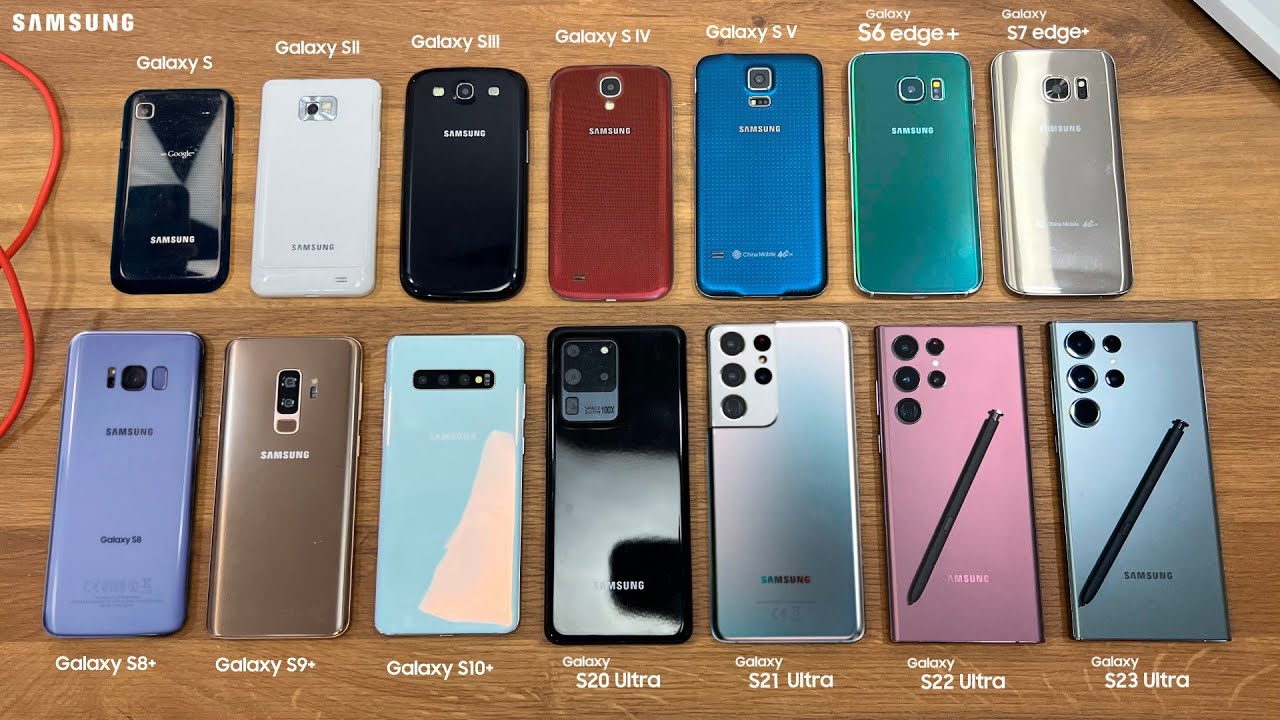
The Samsung Galaxy Note7, a device that captured the attention of tech enthusiasts and consumers alike, was launched in 2016 amidst high expectations. It was positioned as a premium smartphone that combined high-end features with the productivity capabilities of the Note series. The launch was not without its controversies, as it would later be remembered for its unfortunate battery issues, but its initial introduction was marked by excitement and innovation.
The development of the Galaxy Note7 began after the success of its predecessor, the Galaxy Note5. Samsung aimed to create a device that would elevate the user experience with enhanced specifications and features. Officially unveiled on August 2, 2016, the Note7 introduced several key advancements over its predecessors, such as improved S Pen capabilities, a dual-edge display, and advanced security options including iris scanning.
Major Features of Samsung Note7
The Galaxy Note7 was marketed with a variety of standout features that promised to enhance usability and performance. These features were aimed at attracting both existing Note users and new customers looking for cutting-edge technology. The highlights included:
- Display: The Note7 featured a stunning 5.7-inch Quad HD Super AMOLED display, which provided vibrant colors and deep contrasts, ideal for media consumption and productivity tasks.
- S Pen Improvements: The redesigned S Pen was waterproof and offered improved pressure sensitivity, enabling users to write, draw, and navigate with precision.
- Iris Scanner: A first for the smartphone industry at the time, the iris scanner provided an added layer of security beyond fingerprint recognition.
- Water and Dust Resistance: With an IP68 rating, the Note7 was engineered to withstand submersion in water and dust exposure, making it suitable for various environments.
- Camera Capabilities: The device boasted a 12 MP rear camera and a 5 MP front camera, both with advanced features for low-light performance and fast autofocus.
Initial Consumer Reception and Sales Performance
Upon its release, the Samsung Galaxy Note7 received generally favorable reviews from critics and consumers. It was praised for its innovative features, high-quality display, and overall performance. Early adopters appreciated the improvements in the S Pen and the device’s design aesthetics. However, the reception was complicated by safety concerns that emerged shortly after its launch.
The sales performance of the Note7 was strong initially, with Samsung reporting over 2.5 million units sold within weeks of its release. This momentum was fueled by positive reviews and strong marketing efforts. However, the initial success was overshadowed by reports of battery malfunctions, leading to safety recalls and ultimately, the discontinuation of the device in September 2016. The Note7’s legacy became a case study in product safety and corporate responsibility, as Samsung faced significant challenges in managing the fallout from the device’s issues.
Technical Specifications: Samsung Note7
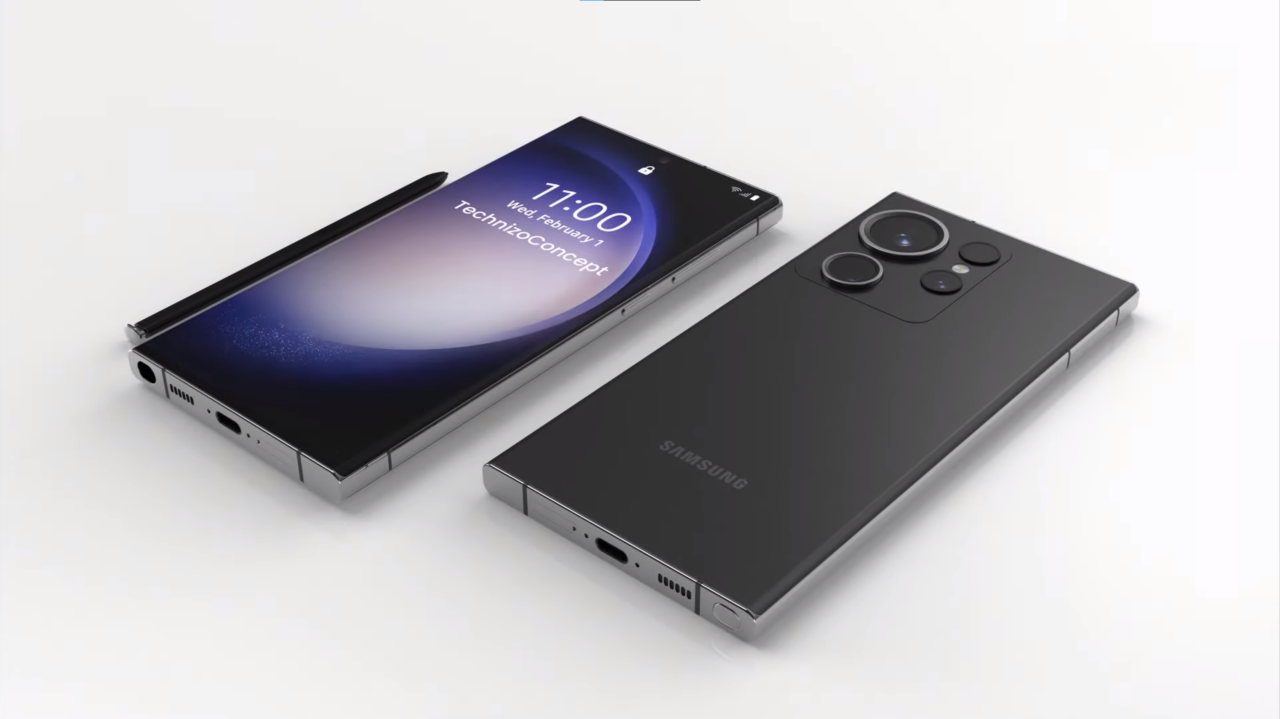
The Samsung Galaxy Note7, released in August 2016, represented a significant advancement in mobile technology, blending powerful hardware with innovative features. Its specifications positioned it as one of the leading smartphones of its time, showcasing Samsung’s commitment to excellence in design and functionality.
The Note7 was powered by cutting-edge hardware that ensured high performance across various applications, including multitasking, gaming, and media consumption. Its high-resolution display and robust battery life were also key selling points, attracting consumers looking for a premium smartphone experience.
Hardware Specifications
The hardware specifications of the Samsung Note7 were impressive, featuring components that were tailored for high performance and user satisfaction. Below is a comprehensive breakdown of its specifications:
| Specification | Details |
|---|---|
| Display | 5.7 inches Super AMOLED, 1440 x 2560 pixels, 518 ppi |
| Processor | Qualcomm Snapdragon 820 or Exynos 8890 (region dependent) |
| RAM | 4 GB |
| Storage | 64 GB (expandable via microSD up to 256 GB) |
| Camera (Rear) | 12 MP, f/1.7, Dual Pixel PDAF, OIS |
| Camera (Front) | 5 MP, f/1.7 |
| Battery | 3,500 mAh, non-removable, fast charging and wireless charging |
| Operating System | Android 6.0.1 (Marshmallow), upgradable to Android 8.0 (Oreo) |
| Dimensions | 153.5 x 73.9 x 7.9 mm |
| Weight | 169 g |
This table Artikels the key hardware components that made the Note7 a formidable device in its class. The combination of a high-resolution display, powerful processors, and robust battery capabilities ensured that users enjoyed a seamless experience whether they were streaming content, playing games, or utilizing productivity applications.
Comparison with Predecessors and Successors
In evaluating the Samsung Note7’s position in the smartphone lineage, it is essential to compare its specifications with those of both its predecessors and successors. The following table illustrates how the Note7 stacks up against the Galaxy Note5 and the Galaxy Note8:
| Specification | Galaxy Note5 | Galaxy Note7 | Galaxy Note8 |
|---|---|---|---|
| Display | 5.7 inches, 1440 x 2560 pixels | 5.7 inches, 1440 x 2560 pixels | 6.3 inches, 1440 x 2960 pixels |
| Processor | Exynos 7420 | Snapdragon 820 / Exynos 8890 | Snapdragon 835 / Exynos 8895 |
| RAM | 4 GB | 4 GB | 6 GB |
| Storage | 32/64 GB | 64 GB (expandable) | 64/128/256 GB (expandable) |
| Camera (Rear) | 16 MP | 12 MP | 12 MP dual camera |
| Battery | 3,000 mAh | 3,500 mAh | 3,300 mAh |
This comparison highlights several advancements made with the Note7, particularly in battery capacity and processor performance. However, its successors continued to refine these specifications, offering larger displays and improved camera capabilities.
Software Environment
The Samsung Note7 operated on Android 6.0.1 Marshmallow at launch, featuring a user interface that emphasized productivity and multitasking. Notable software functionalities included the S Pen, which allowed for precise note-taking, drawing, and document editing. The device also incorporated features such as:
- Multi-Window Functionality: This allowed users to run two applications side by side, enhancing multitasking capabilities.
- Always-On Display: This feature enabled users to view important information without unlocking their devices.
- Samsung Knox: A robust security system designed to protect personal data and sensitive information.
Each of these features contributed to making the Note7 a highly functional device within both personal and professional contexts, appealing to users who valued efficiency and innovation in their smartphones.
Controversies and Issues
The Samsung Galaxy Note7 faced significant controversies primarily due to severe battery malfunctions that led to a worldwide recall. The repercussions of these battery issues not only affected consumers but also raised serious questions about Samsung’s manufacturing processes and quality control. This segment delves into the battery problems that plagued the device, the implications for Samsung’s brand reputation, and the lessons learned by both the company and the technology sector as a whole.
Battery Problems and Public Response, Samsung note7
The most alarming issue with the Galaxy Note7 stemmed from its lithium-ion batteries, which were found to have manufacturing defects that could cause them to overheat and, in some cases, explode. Samsung initially issued a recall for the devices after reports of incidents surfaced, prompting a replacement program. However, the situation escalated when replacement devices exhibited the same battery issues. This led to a second, more comprehensive recall of all Note7 units, which ultimately resulted in the discontinuation of the product entirely.
The public response was overwhelmingly negative, with customers expressing feelings of betrayal and disappointment. Not only did this affect individual consumers, but it also led to heightened scrutiny over the safety of mobile devices. The incidents prompted widespread media coverage, creating a public relations nightmare for Samsung. The company faced lawsuits, regulatory investigations, and a significant drop in sales as consumers turned to competitors.
Impact on Samsung’s Reputation and Brand Image
The fallout from the Note7 issues had a profound impact on Samsung’s brand image. Once considered a leader in innovation and technology, the company’s reputation was severely tarnished. The debacle resulted in a loss of consumer trust, which is crucial in the highly competitive smartphone market. Samsung’s stock price experienced volatility in the aftermath, and the company was compelled to invest heavily in improving safety measures and quality controls in its subsequent products.
The incident has become a case study in crisis management, illustrating how quickly a trusted brand can lose its standing due to product failures. Analysts noted that Samsung would have to work diligently to restore its image, focusing on transparency and accountability in its manufacturing processes moving forward.
Lessons Learned by Samsung and the Tech Industry
The Galaxy Note7 crisis provided vital lessons for both Samsung and the broader technology industry. The need for rigorous quality control and safety testing became more pronounced. Key lessons included:
- Improved Quality Assurance: Companies must prioritize extensive testing and quality assurance processes to prevent defective products from reaching consumers.
- Transparent Communication: Maintaining open lines of communication with consumers during a crisis can help mitigate damage and restore trust.
- Impact of Rapid Innovation: The pressure to innovate quickly must be balanced with thorough product safety evaluations to avoid potential hazards.
- Comprehensive Crisis Management Plans: Organizations should develop robust crisis management strategies to address issues promptly and effectively, minimizing public backlash.
“Samsung’s experience with the Note7 serves as a reminder that even industry leaders must remain vigilant about product safety and consumer trust.”
The lessons from the Note7 incidents continue to resonate within the tech community, influencing how companies approach product development, safety testing, and crisis management in an era where consumer expectations are higher than ever.
Legacy and Impact
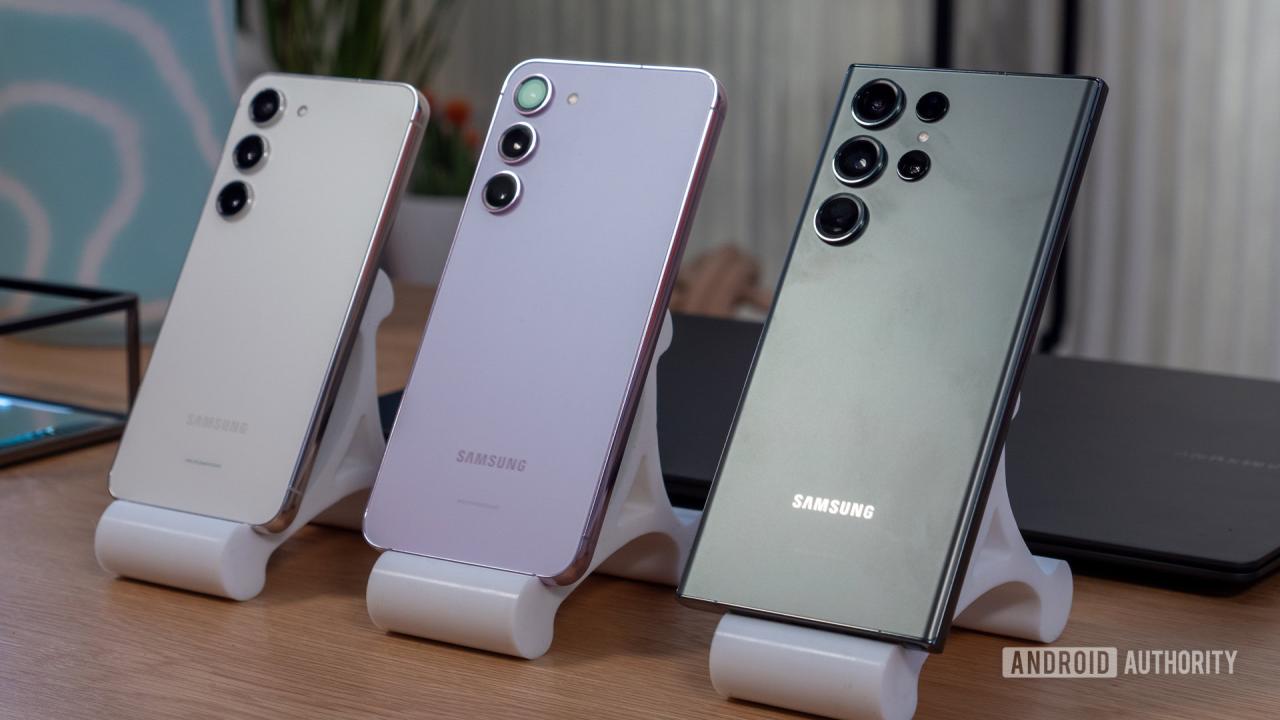
The Samsung Galaxy Note7 left a profound mark on the smartphone industry, not merely as a product but as a pivotal lesson in product safety and design ethics. The device’s eventual discontinuation not only altered consumer trust but also ushered in a new era of regulatory measures and design philosophies that resonate in today’s technological landscape.
Long-Term Effects on Smartphone Safety Regulations
The Note7’s battery incidents sparked widespread concern over smartphone safety, leading to significant shifts in regulatory practices worldwide. Regulatory bodies began to scrutinize battery manufacturing processes and safety standards more rigorously.
The aftermath of the Note7 debacle saw the implementation of enhanced testing protocols, including:
- Stricter battery testing standards by organizations such as Underwriters Laboratories (UL), which began emphasizing comprehensive safety assessments.
- The introduction of global safety certifications that require manufacturers to adhere to new safety guidelines before product releases.
- Increased transparency in battery life and safety disclosures, empowering consumers to make informed decisions regarding their devices.
As highlighted by industry experts,
“The Note7 incident was a wake-up call that stirred the entire industry towards prioritizing user safety.”
The ramifications of these regulations are evident today, as manufacturers are more vigilant in their approach to battery safety, incorporating multiple layers of checks to avoid repeating past mistakes.
Influence on Future Smartphone Designs and Features
The Note7’s failure didn’t just lead to regulatory changes; it also instigated a significant redesign across future smartphone models. Manufacturers began to prioritize not only aesthetics but also safety and usability in their designs.
Key design shifts influenced by the Note7 include:
- The introduction of modular designs in certain models, allowing for easier repairs and replacements of batteries, thus reducing overall risks.
- Enhanced cooling systems and thermal management techniques in flagship devices, minimizing the chances of overheating.
- Increased investment in research and development aimed at creating safer battery technologies, such as solid-state batteries, which promise greater safety and efficiency.
As noted by a leading tech analyst,
“The Note7 incident became a catalyst for change, pushing manufacturers to innovate in ways that prioritize both performance and safety.”
This shift has established a precedent where safety is no longer an afterthought but a fundamental aspect of smartphone design.
Consumer Sentiment and Market Trends Following Discontinuation
The discontinuation of the Note7 led to significant changes in consumer sentiment and market dynamics. Initially, the brand faced a trust crisis, resulting in declining sales and waning consumer loyalty. However, Samsung’s swift response to the crisis, including transparent communication and robust recall efforts, played a crucial role in regaining consumer confidence.
Market trends observed post-Note7 include:
- A noticeable shift in consumer preferences toward brands that prioritize safety and reliability, influencing purchasing decisions across all demographics.
- An increased willingness among consumers to invest in devices from manufacturers that demonstrate proactive safety measures and quality assurances.
- A resurgence in the popularity of older models and alternative brands, as consumers sought devices perceived as safer and more reliable during the fallout.
In essence, the Note7 saga transformed not only how consumers viewed smartphone safety but also how manufacturers approached design and quality assurance. The lessons learned continue to shape the mobile landscape, ensuring that user safety remains at the forefront of innovation.
Questions and Answers
What were the main features of the samsung note7?
The samsung note7 featured a 5.7-inch Super AMOLED display, a powerful Snapdragon 820 processor, and an advanced dual pixel camera, along with S Pen functionality.
What caused the battery issues in the samsung note7?
The battery issues were primarily due to manufacturing defects that led to overheating and, in some cases, explosions.
How did the samsung note7 affect Samsung’s brand reputation?
The Note7 incidents negatively impacted Samsung’s reputation, leading to decreased consumer trust and increased scrutiny of their manufacturing processes.
What lessons did the tech industry learn from the samsung note7?
The tech industry learned the importance of rigorous safety testing and quality assurance in product development to prevent similar incidents.
What is the legacy of the samsung note7 in the smartphone market?
The samsung note7’s legacy includes heightened safety regulations and a cautious approach to battery design, influencing future smartphone innovations.
The latest promotion iphone offers exciting deals on various models, making it an ideal time for Apple enthusiasts to upgrade their devices. With competitive pricing and exclusive bundles, this promotion is designed to draw in new customers and satisfy existing fans. Don’t miss out on the chance to grab an iPhone at a great value.
On the other hand, the samsung galaxy f series continues to impress with its budget-friendly options and powerful features. Targeted at young consumers, this line offers impressive cameras and vibrant displays, making it a viable choice for anyone seeking quality without breaking the bank. Stay updated on the latest reviews and offerings to find the perfect match for your needs.