samsung galaxy note 7 was a revolutionary smartphone that captured the attention of tech enthusiasts and everyday users alike. Released in August 2016, it boasted cutting-edge features and a sleek design that set it apart from its predecessors. With its stunning display, impressive camera capabilities, and innovative S Pen functionality, the Galaxy Note 7 was poised to redefine the smartphone experience.
However, the device’s journey was marred by controversy due to safety concerns over battery issues, leading to a massive recall. Despite its tumultuous history, the Note 7 has left an indelible mark on the smartphone industry, influencing future designs and shaping consumer expectations.
Overview of Samsung Galaxy Note 7
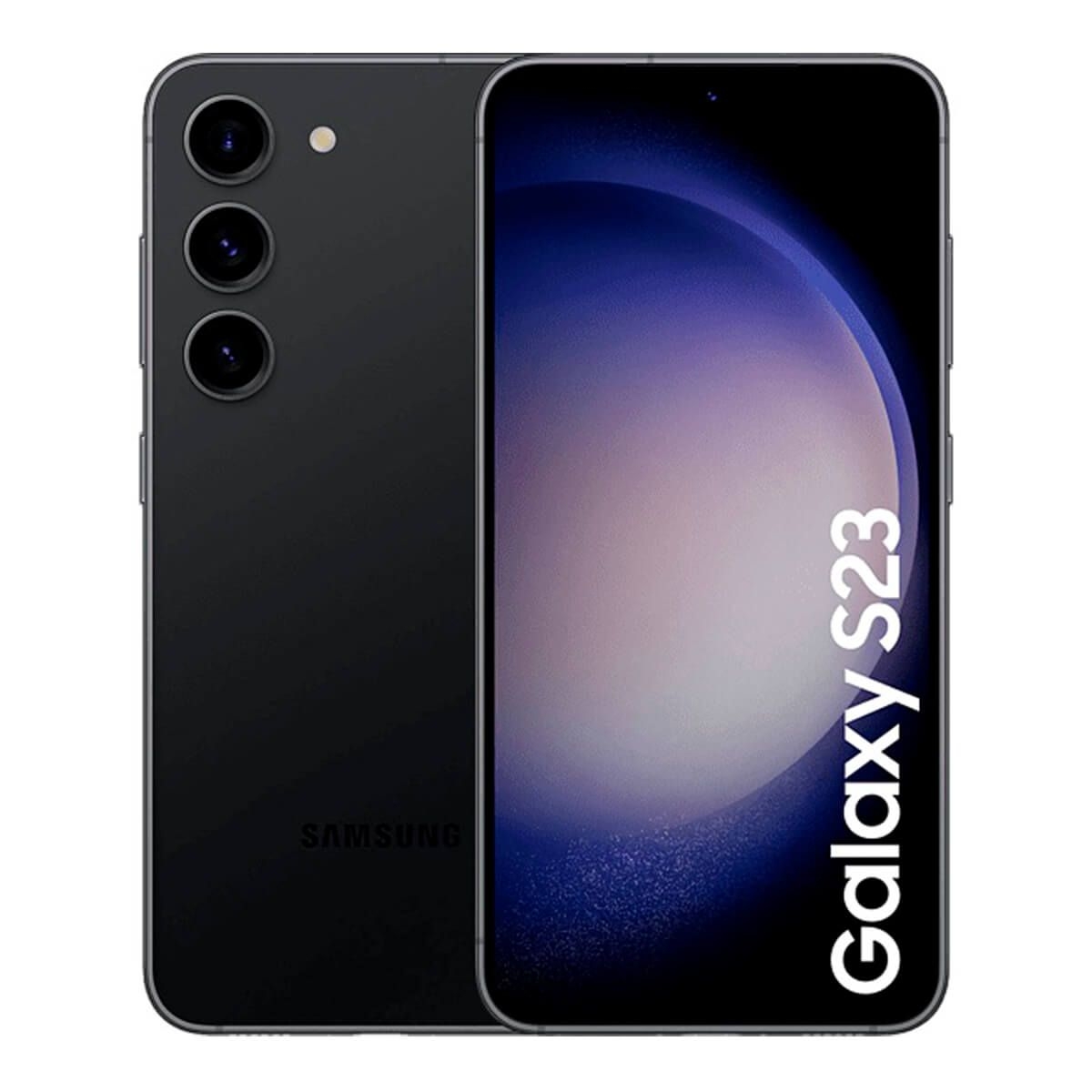
The Samsung Galaxy Note 7, released on August 19, 2016, marked a significant advancement in the smartphone landscape, blending high-performance capabilities with premium design. This device was part of Samsung’s renowned Note series, which has always been synonymous with productivity and innovation. The Galaxy Note 7 was positioned as a flagship device, combining cutting-edge technology with user-friendly features tailored for a versatile user experience.
The design of the Galaxy Note 7 was a standout feature, characterized by its sleek and modern aesthetics. The device boasted a glass and metal build, which not only contributed to its elegant look but also enhanced durability. With curved edges that provided a seamless feel and improved grip, the Note 7 was designed for comfort during prolonged use. The device was available in various striking colors, including Silver Titanium, Black Onyx, and Coral Blue, allowing users to choose a model that reflected their personal style.
Specifications
The specifications of the Galaxy Note 7 were nothing short of impressive, showcasing Samsung’s commitment to delivering superior technology. The key specifications included:
- Display: The device featured a 5.7-inch Quad HD Super AMOLED display with a resolution of 1440 x 2560 pixels, offering vibrant colors and deep blacks, ideal for media consumption and gaming.
- Camera: The Note 7 was equipped with a 12 MP rear camera with Dual Pixel technology for quick focus and enhanced low-light performance, alongside a 5 MP front camera, perfect for selfies and video calls.
- Processor: Powered by the Exynos 8890 or Qualcomm Snapdragon 820 (depending on the region), the Note 7 offered seamless performance and multitasking capabilities.
- Battery: A robust 3,500 mAh battery provided ample power, supporting fast charging and wireless charging functionalities, designed to keep the device running throughout the day.
- Storage: With options of 64 GB of internal storage, expandable via microSD up to 256 GB, users were able to store a vast amount of data, applications, and media.
- Water and Dust Resistance: The Galaxy Note 7 had an IP68 rating, ensuring it could withstand immersion in water and exposure to dust, making it a reliable device for any environment.
The Galaxy Note 7 was designed not only for performance but also to cater to an active lifestyle, making it a perfect companion for users who require a device that balances work and play.
Notable Features and Innovations
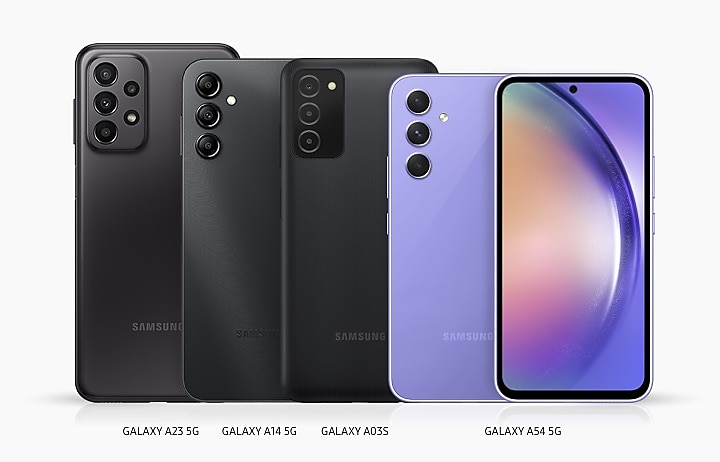
The Samsung Galaxy Note 7 introduced several remarkable features and innovations that not only set it apart from its predecessors but also influenced the smartphone market as a whole. With its advanced functionality, the device catered to both power users and everyday consumers who sought a versatile and robust smartphone experience.
One of the most significant highlights of the Galaxy Note 7 is its S Pen functionality, which has always been a signature feature of the Note series. The S Pen received crucial enhancements that improved its usability. The improved sensitivity and precision allowed for more natural handwriting and drawing experiences. Additionally, the new Air Command features enabled users to access shortcuts and tools quickly, making multitasking seamless. The S Pen’s ability to work underwater was a game-changer, especially for users who frequently found themselves in wet conditions.
S Pen Functionality and Water Resistance
The S Pen has been a cornerstone of the Galaxy Note series, and the Note 7 elevated this feature to new heights. This iteration allowed for improved pressure sensitivity and a finer tip, which delivered a better writing and drawing experience. Users could jot down notes quickly or sketch with precision, making the device an essential tool for creatives and professionals alike. Furthermore, the S Pen incorporated several new features, including the ability to capture screen content and create animated GIFs directly from the screen.
The Galaxy Note 7 also came with an impressive IP68 rating for water and dust resistance. This meant that the device could withstand immersion in water up to 1.5 meters for about 30 minutes. Users no longer had to fear accidental spills or using their phones in the rain, which added a layer of durability that appealed to users with active lifestyles.
Software Enhancements and User Interface Improvements
Samsung’s software enhancements were another highlight of the Galaxy Note 7, as it introduced the latest version of the TouchWiz user interface, which was more refined and user-friendly. The interface allowed for better multitasking capabilities, including the ability to open multiple apps simultaneously in a split-screen view.
The inclusion of features such as Always On Display provided users with quick access to notifications and essential information without needing to wake the device. Furthermore, Samsung’s integration of Bixby, their intelligent assistant, marked a significant development in user interaction, making tasks easier and more intuitive.
Comparison with Predecessor and Successor Devices
When compared to its predecessor, the Galaxy Note 5, the Note 7 offered substantial improvements in both hardware and software features. The Note 7’s dual-edge display provided a more immersive viewing experience, while enhancements in battery technology promised longer usage times despite the compact design. The addition of the S Pen’s improved features contrasted sharply with the capabilities of the Note 5, making the Note 7 a more appealing option for users seeking advanced functionality.
In relation to its successor, the Galaxy Note 8, the Note 7 set a strong foundation with its initial innovations. While the Note 8 built upon the Note 7’s features, introducing a dual-camera system and refining the S Pen further, the core innovations such as water resistance and the advanced S Pen capabilities were already well-established in the Note 7.
The Galaxy Note 7 remains a noteworthy milestone in Samsung’s smartphone evolution, showcasing how advancements in design, functionality, and user experience can significantly impact consumer satisfaction and market trends.
Controversies and Recall
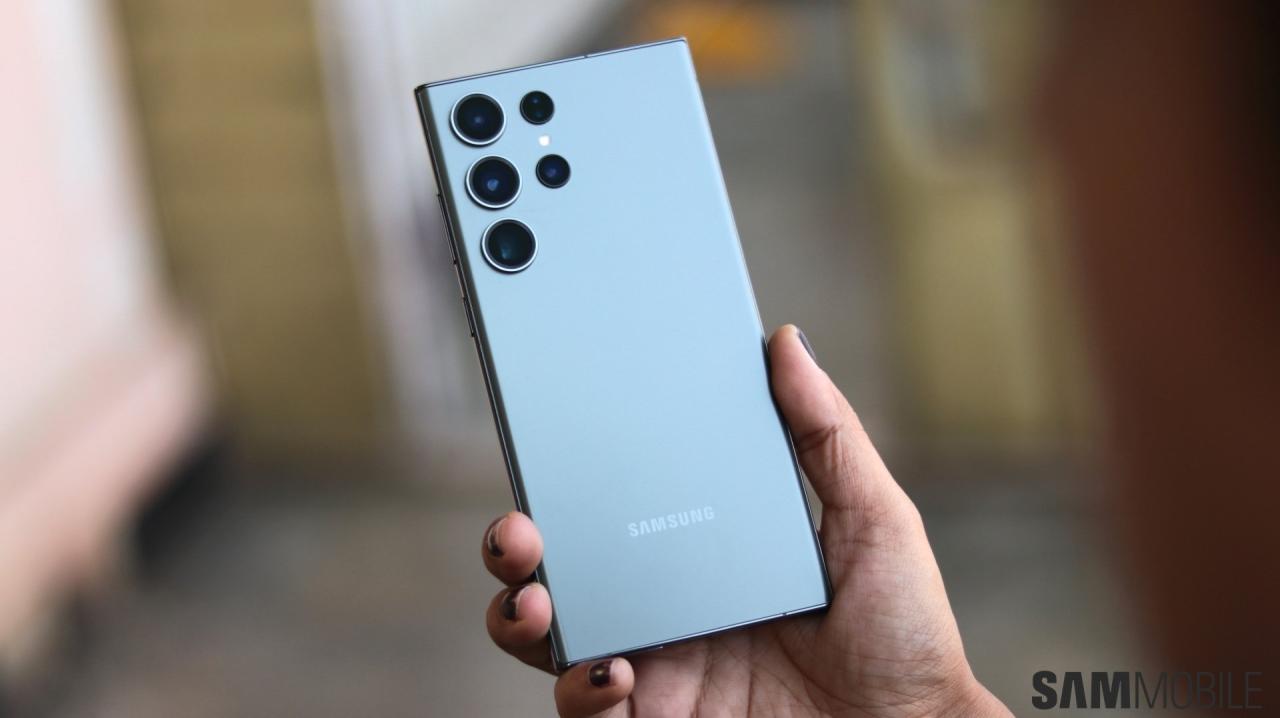
The Samsung Galaxy Note 7 was initially hailed as a breakthrough in mobile technology, but it quickly became embroiled in one of the most significant controversies in consumer electronics history. The primary issue revolved around serious battery malfunctions that led to overheating and, in some cases, fires. This segment delves into the incidents leading up to the recall, the company’s handling of the crisis, and the long-term implications on Samsung’s reputation and business performance.
Timeline of Events Surrounding the Recall, Samsung galaxy note 7
The series of incidents involving the Galaxy Note 7 unfolded over a short period and had devastating effects on Samsung’s brand image. Understanding the timeline is crucial to grasp the severity of the situation.
- August 2016: Samsung officially launched the Galaxy Note 7, receiving widespread acclaim for its features.
- September 2016: Reports began surfacing of devices overheating and catching fire. Samsung initiated a recall of approximately 2.5 million units after confirming that the battery was the cause of the incidents.
- October 2016: After replacing recalled units with new ones, further reports emerged of replacement devices also experiencing similar issues. This led to a second recall announcement.
- October 11, 2016: Samsung officially ceased production of the Galaxy Note 7, advising consumers to power down their devices immediately.
- December 2016: Samsung announced that it would compensate consumers and retailers for the returned devices and launched an investigation into the cause of the battery failures.
- 2017: Findings revealed that the battery design and manufacturing defects were the root causes of the malfunctions, leading to a broader reassessment of battery safety protocols within the company.
The handling of this crisis highlighted both the challenges of rapid smartphone production and the critical importance of consumer safety. Samsung’s response included a comprehensive refund program, enhancing customer service protocols, and a public apology from leadership.
Impact on Reputation and Sales Performance
The fallout from the Galaxy Note 7 recall significantly affected Samsung’s reputation and financial performance. The crisis not only questioned the reliability of Samsung’s products but also raised concerns about the safety of lithium-ion batteries in general.
- Reputation Damage: Samsung’s brand image took a substantial hit as consumer trust eroded. Market perception shifted, leading to skepticism regarding the safety of subsequent products.
- Financial Loss: The recall costs were estimated to exceed $5 billion, impacting Samsung’s profit margins and stock price. The company’s profit fell by about 30% in the fourth quarter of 2016.
- Market Share Concerns: Competitors capitalized on Samsung’s misstep, particularly Apple, which saw increased sales of its iPhone models during and after the crisis.
- Long-term Strategies: In response to the recall, Samsung implemented more rigorous safety measures in its product development process, including an 8-point battery safety check, which has since become a benchmark in the industry.
“The Galaxy Note 7 incident served as a crucial learning point for manufacturers regarding the importance of safety in product design and consumer trust.”
The repercussions of the Galaxy Note 7 recall reverberated through Samsung’s operations, influencing its approach to product safety and quality assurance for years to come. The incident remains a pivotal example of how critical consumer safety is in maintaining brand integrity in the competitive tech landscape.
Legacy and Impact on Future Devices
The Samsung Galaxy Note 7, despite its tumultuous history, has left an indelible mark on the smartphone industry. Its release and subsequent recall not only drew attention to the critical importance of battery safety but also initiated a series of changes in manufacturing practices and design philosophies across the tech landscape. The Note 7 serves as a case study on how innovation can lead to both advancements and setbacks within a product lifecycle.
The long-term effects of the Galaxy Note 7’s launch and recall resonate throughout the smartphone industry, altering consumer expectations and influencing the development of future devices. Key innovations introduced in the Note 7, such as its curved display and advanced S Pen functionality, set a precedent for subsequent models. The lessons learned from the Note 7’s failures and triumphs have prompted manufacturers to prioritize better safety protocols and enhanced quality control measures.
Influence on Device Design
The innovations showcased in the Galaxy Note 7 have significantly influenced the design and features of subsequent Samsung devices. Among the notable aspects of its legacy are the following:
- Curved Display Technology: The Note 7’s edge display was a bold design choice that enhanced both aesthetics and usability. This feature became a staple in later models, influencing the design of the Galaxy S series and the Galaxy Z foldable devices.
- S Pen Advancements: The integration of the S Pen with enhanced capabilities, such as screen-off memo and improved pressure sensitivity, inspired future iterations of the Note series, reinforcing the brand’s identity as a productivity-focused line.
- Focus on Photography: The Note 7 pushed the boundaries of smartphone photography with its dual-pixel camera technology. This set the stage for subsequent models to incorporate advanced camera features, including improved low-light performance and multiple lens options.
- User Interface Enhancements: The software experience in the Note 7 emphasized customization and usability, which influenced the development of Samsung’s One UI, offering a more user-friendly interface in later devices.
Despite the fallout from the Note 7’s recall, consumer reactions to later Samsung models showcased a notable evolution in user sentiment. Initially, the disastrous events surrounding the Note 7 led to skepticism among consumers regarding Samsung’s reliability and safety. However, over time, subsequent releases began to rebuild trust.
Comparison of Consumer Reactions
Following the Note 7 incident, consumer reactions varied significantly with the release of subsequent models. Notable trends include:
- Increased Caution: Early adopters of the Galaxy S8 expressed initial hesitance, as many were still concerned about battery safety. However, Samsung’s transparent communication during the recall and their commitment to rectifying issues helped mitigate fears.
- Positive Reception of Innovations: The Galaxy S8 and Note 8 received accolades for their design and features, with consumers appreciating the evolution in safety measures and technological advancements, indicating a willingness to forgive past mistakes.
- Brand Loyalty Resilient: The Note series maintained a loyal fan base, evidenced by strong sales in the Note 9 and Note 10, showcasing that while skepticism existed, many consumers remained committed to Samsung products due to their innovation and quality.
The legacy of the Galaxy Note 7 highlights that innovation must always be balanced with safety and reliability, shaping the future of smartphone design and manufacturing processes. The smartphone landscape continues to evolve, but the lessons learned from the Note 7 will undoubtedly influence how companies approach product development and consumer trust for years to come.
FAQ Resource: Samsung Galaxy Note 7
What were the main features of the samsung galaxy note 7?
The Samsung Galaxy Note 7 featured a 5.7-inch Super AMOLED display, a 12MP dual-pixel rear camera, an 8MP front camera, and the innovative S Pen, along with IP68 water and dust resistance.
When was the samsung galaxy note 7 released?
The Samsung Galaxy Note 7 was officially released on August 19, 2016.
What led to the recall of the samsung galaxy note 7?
The recall was primarily due to battery defects that caused some devices to overheat and catch fire, prompting safety concerns from consumers and regulatory bodies.
How did the samsung galaxy note 7 impact future devices?
The Note 7’s recall prompted Samsung and other manufacturers to prioritize battery safety, leading to more stringent testing practices and shaping design elements in future smartphones.
What was the consumer reaction to the samsung galaxy note 7?
Consumer reaction was initially very positive due to its features, but drastically shifted to disappointment and concern following the recall, which affected brand loyalty.
The Galaxy S 7 remains a classic smartphone, known for its sleek design and powerful performance. With features like water resistance and an impressive camera, this device set the standard for its successors. As we look at newer models, the legacy of the Galaxy S 7 continues to influence the design and functionality of modern smartphones.
Meanwhile, the Samsung S 10 showcases advancements in technology, offering a stunning display and enhanced camera capabilities. This model introduced innovative features like an in-display fingerprint scanner and improved battery life, making it a favorite among users seeking both style and substance. The evolution from the Galaxy S 7 to the Samsung S 10 highlights Samsung’s commitment to innovation in the smartphone market.