Delving into chip iphone, this exploration uncovers the sophisticated technology that powers every iPhone, showcasing its remarkable evolution over time.
From the early days of mobile tech to the groundbreaking innovations we see today, iPhone chips have undergone significant advancements. These chips are composed of intricate components including processors, graphics units, and memory controllers, all crafted with precision using silicon, which serves as the backbone of modern computing.
Overview of iPhone Chip Technology
The evolution of iPhone chip technology marks a significant journey in the realm of mobile computing, showcasing advancements that enhance performance, efficiency, and user experience. Since the introduction of the first iPhone, Apple has consistently pushed the boundaries of what mobile processors can achieve, transforming how users interact with their devices.
The iPhone chip technology has evolved through various generations, with each new iteration bringing increased processing power, improved energy efficiency, and enhanced capabilities for artificial intelligence and machine learning. The A-series chips, starting with the A4 in the original iPhone 4, have progressively integrated more advanced manufacturing techniques and architecture designs, leading to the current A16 Bionic chip powering the latest models. Each chip is designed to optimize performance, balance power consumption, and support a rich ecosystem of apps and services that users rely on daily.
Main Components of an iPhone Chip
Understanding the main components of an iPhone chip provides insight into its functionality and performance capabilities. The key elements include:
- CPU (Central Processing Unit): The heart of the chip, responsible for executing instructions and performing calculations. Recent models feature multiple cores to handle tasks simultaneously, enhancing multitasking capabilities.
- GPU (Graphics Processing Unit): Responsible for rendering images and graphics, the GPU plays a crucial role in delivering high-quality visuals for gaming and multimedia applications.
- Neural Engine: This component focuses on machine learning tasks, enabling features like facial recognition and augmented reality applications, which require rapid computations and data processing.
- Image Signal Processor (ISP): An essential part of the chip that improves photo and video quality by processing data from the camera sensors, enabling features like portrait mode and low-light photography enhancements.
- Storage Controller: Manages data transfer between the chip and device storage, facilitating faster access to applications and files.
The combination of these components within a single chip allows for a seamless user experience, enabling complex applications to run smoothly and efficiently.
Role of Silicon in iPhone Chip Manufacturing
Silicon plays a pivotal role in the manufacturing of iPhone chips, serving as the foundational material for semiconductor devices. The advantages of silicon include its abundant availability, excellent electrical properties, and cost-effectiveness, making it the preferred choice for chip production.
The manufacturing process begins with silicon wafers, which are sliced from pure silicon crystals. These wafers undergo a series of steps like doping, etching, and layering to create the intricate circuitry that forms the chip. A notable aspect of this process is photolithography, where light is used to transfer patterns onto the silicon, enabling the fabrication of millions of transistors on a single chip.
The transition to advanced manufacturing technologies, such as 5-nanometer process nodes, has allowed Apple to create chips that are not only smaller and more powerful but also more energy-efficient. This miniaturization contributes to longer battery life, improved performance, and the ability to integrate more features into the devices without increasing their size.
In conclusion, the evolution of iPhone chip technology, driven by innovative engineering and the strategic use of silicon, has led to significant advancements in mobile computing and user experience, setting the standard for the industry.
Performance Comparison of iPhone Chips
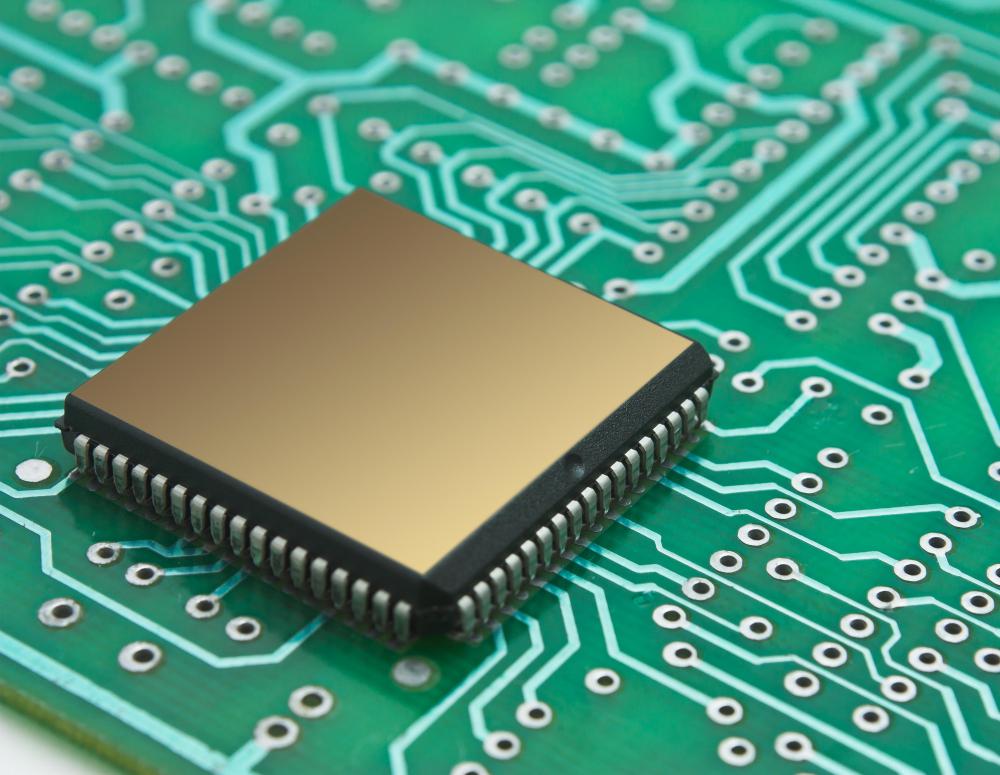
The performance of iPhone chips has consistently evolved with each model release, showcasing substantial advancements in processing power, energy efficiency, and overall capabilities. This progression is not merely a specification upgrade but a foundational aspect of how users interact with their devices, enhancing everything from gaming experiences to multitasking efficiency. By analyzing various iPhone chips, we can appreciate the enhancements that each iteration brings to the table.
Performance Metrics Across iPhone Models
iPhone chips have undergone significant transformations over the years, with each new generation aiming to outpace its predecessor in performance metrics. For instance, Apple’s A14 Bionic chip introduced in the iPhone 12 series featured a 6-core CPU and a 4-core GPU, enabling up to 50% faster performance than the A12 Bionic found in the iPhone XS. The introduction of the A15 Bionic chip in the iPhone 13 series further expanded this gap, offering advanced features like improved graphics performance and enhanced machine learning capabilities.
Key performance metrics include:
- CPU Performance: Each new chip typically exhibits a higher clock speed and more efficient cores, contributing to faster processing times and improved app performance.
- GPU Performance: With each generation, Apple enhances the graphics capabilities, allowing for smoother gaming experiences and more robust graphics processing for demanding applications.
- Energy Efficiency: Newer chips are designed to be more power-efficient, benefiting battery life while maintaining or improving performance levels.
- Machine Learning: Advancements in neural processing units (NPUs) in newer chips facilitate faster machine learning tasks, enhancing features like photography, voice recognition, and augmented reality experiences.
Advantages of Using Latest iPhone Chips
The latest iPhone chips offer several distinct advantages over older models, resulting in a marked improvement in device performance and user experience. The A16 Bionic chip in the iPhone 14 series, for example, incorporates a 6-core CPU and a 5-core GPU, reflecting Apple’s commitment to pushing boundaries in processing capabilities and efficiency.
The advantages include:
- Faster Computational Speed: The latest chips have improved clock speeds and architecture, allowing for more tasks to be completed in shorter time frames.
- Higher Graphics Fidelity: Users benefit from enhanced graphics rendering, providing richer visuals in games and applications.
- Improved Thermal Management: New chip designs help manage heat more effectively, ensuring sustained performance during intensive tasks.
- Advanced Connectivity Features: Incorporation of the latest wireless technologies, such as 5G support, directly enhances internet connectivity speeds and overall user experience.
Impact of Chip Upgrades on Overall Device Performance
Upgrading to the latest iPhone chips significantly impacts overall device performance, influencing not just speed but also the quality of various functionalities. The integration of advanced architecture and processing capabilities allows for seamless multitasking and enhanced user experiences across applications.
The impact of chip upgrades includes:
- Enhanced Multitasking: With more powerful CPUs, users can run multiple applications simultaneously without experiencing lag.
- Improved App Responsiveness: Applications built to utilize the latest chip architectures can perform better, leading to quicker loading times and smoother interactions.
- Future-Proofing Devices: Newer chips ensure that devices remain capable of handling future software updates and applications that demand higher performance.
- Better User Experience: Features like computational photography, gaming graphics, and augmented reality experiences are elevated, providing users with cutting-edge technology at their fingertips.
Impact of Chip Design on Battery Life
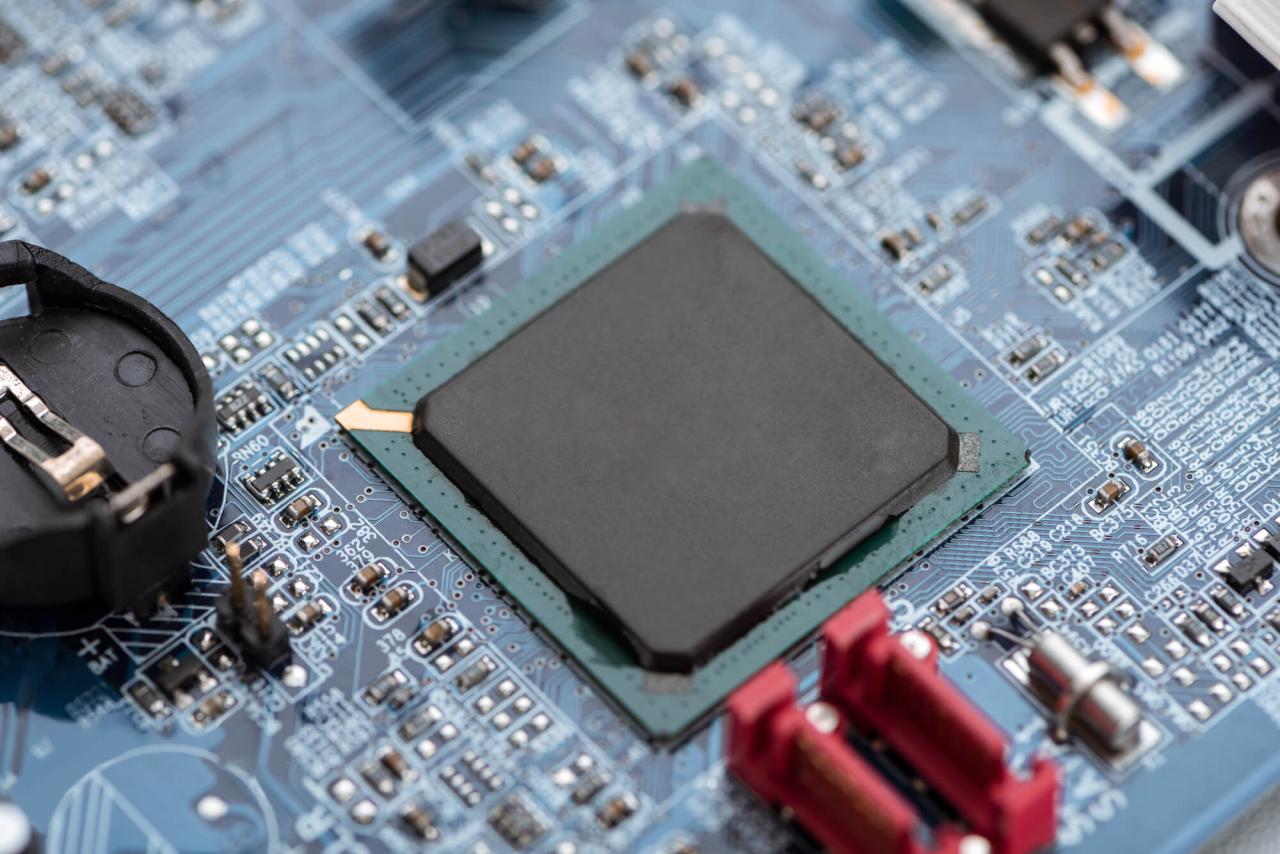
The design of a chip is pivotal in determining the battery efficiency of iPhones, influencing not just performance but also the longevity of power usage during everyday tasks. With Apple’s emphasis on creating an integrated ecosystem, the chip architecture is meticulously crafted to balance processing power and energy consumption. This balance is crucial for providing users with a seamless experience while minimizing the need for frequent recharging.
The optimization of battery life through chip design is achieved through various power management features engineered within the iPhone chips. Apple has invested significantly in creating chips that not only process data rapidly but also manage energy consumption intelligently. This integration allows iPhones to perform complex tasks while retaining a high level of battery efficiency, thereby enhancing overall user satisfaction.
Power Management Features in iPhone Chips
Apple chips are equipped with sophisticated power management features that ensure the device operates within optimal power consumption levels. These features work in tandem with iOS to monitor and manage how the chip uses energy in different scenarios. Key aspects of this technology include:
- Dynamic Voltage and Frequency Scaling (DVFS): This feature adjusts the voltage and frequency according to processing demands, reducing energy consumption when high performance is not necessary.
- Low-Power States: iPhone chips can shift into low-power states when the device is idle, further extending battery life by reducing energy draw.
- On-chip Power Management: Components on the chip can manage their own power consumption more effectively, allowing for fine-tuned energy efficiency without sacrificing performance.
The efficient handling of power by these features directly translates into longer battery life, allowing users to engage in activities such as gaming, streaming, or using intensive apps for extended periods without exhausting their battery.
Optimizing Battery Life through Chip Technology
Innovations in chip technology have led to significant advancements in battery optimization, ensuring that users get the most out of their devices. These techniques involve both hardware and software optimizations, which are crucial for enhancing battery longevity. Some notable methods include:
- Machine Learning Integration: Apple’s chips utilize machine learning algorithms to predict user behavior, optimizing background processes and minimizing unnecessary energy usage during inactive periods.
- Energy-efficient Components: The use of specialized components, such as the Apple-designed GPU and Neural Engine, reduces the power consumption during processing tasks, allowing for better battery performance without compromising speed.
- Adaptive Brightness and Display Optimization: The chip works with display technology to adjust brightness and refresh rates based on user interaction, conserving battery power when full brightness is not needed.
Collectively, these advancements represent Apple’s commitment to not only enhancing performance but also ensuring that the user experience is complemented by effective battery management, making every iPhone experience convenient and efficient.
Future Trends in iPhone Chip Development
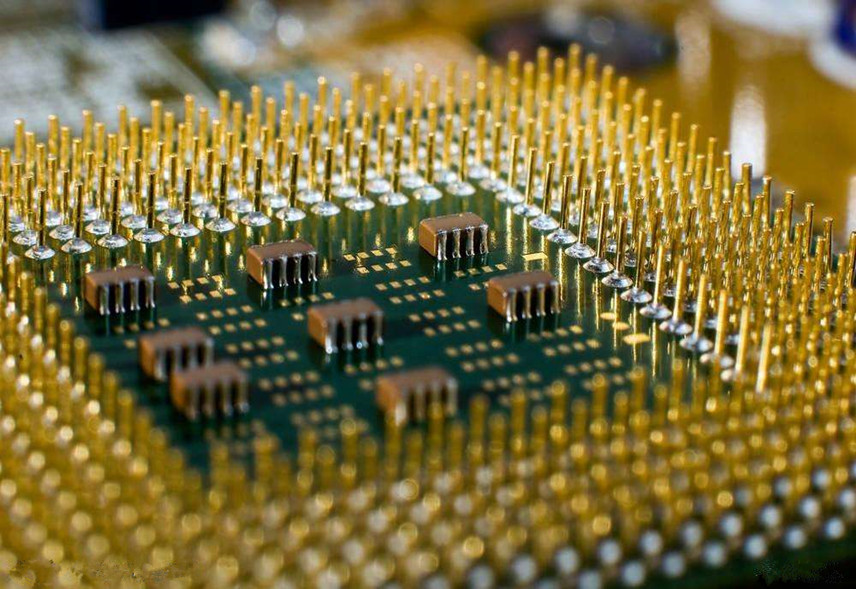
As technology evolves, the landscape of smartphone innovation is constantly shifting, particularly in the realm of chip development for iPhones. The future of iPhone chip technology is poised to be influenced by various emerging technologies, the expansion of 5G capabilities, and the challenges that chip manufacturers face in a competitive marketplace. This exploration will highlight the key trends shaping the future of iPhone chips.
Emerging Technologies in Chip Development
The next generation of iPhone chips is expected to leverage cutting-edge technologies aimed at enhancing overall performance and efficiency. Some of these emerging technologies include:
- System-on-Chip (SoC) Integration: Future iPhone chips will continue to integrate more components into a single chip, enhancing processing power while reducing size and energy consumption.
- AI and Machine Learning Enhancements: Chips will increasingly incorporate dedicated AI cores, allowing for real-time data processing and improved user experiences through personalized features.
- Advanced Manufacturing Techniques: The shift to smaller nanometer processes, such as 3nm or even 2nm technology, will enable greater transistor density and performance improvements.
These advancements aim to create a more powerful yet efficient chip that can handle demanding applications while maintaining battery life.
Implications of 5G Technology on Future iPhone Chip Design, Chip iphone
The advent of 5G technology is revolutionizing the smartphone industry, necessitating a shift in chip design to accommodate faster data speeds and lower latency. Future iPhone chips will be designed with the following considerations:
- Enhanced Modem Integration: Future chips will feature integrated 5G modems, optimizing performance and connectivity in 5G networks.
- Increased Power Efficiency: The need for 5G capabilities will push manufacturers to innovate in power management, ensuring that devices can handle high-speed data without draining battery life.
- Support for Advanced Features: Enhanced capabilities, such as augmented reality (AR) and virtual reality (VR), will be facilitated by 5G, motivating chip manufacturers to integrate specialized hardware for these applications.
The integration of 5G into chip design will ultimately lead to more responsive and versatile iPhone devices.
Challenges Facing Chip Manufacturers in the Smartphone Industry
While opportunities abound in the realm of chip development, manufacturers must navigate several significant challenges:
- Supply Chain Disruptions: Global events have highlighted the vulnerabilities in semiconductor supply chains, leading to delays and increased costs for chip manufacturers.
- Technological Competition: The rapid pace of innovation means that manufacturers must continuously invest in research and development to stay relevant and competitive.
- Regulatory and Environmental Concerns: Increasing scrutiny on manufacturing practices and sustainability efforts presents challenges in meeting consumer and regulatory expectations.
Addressing these challenges will be critical for chip manufacturers to sustain growth and innovation in the rapidly evolving smartphone market.
General Inquiries: Chip Iphone
What is the role of silicon in iPhone chips?
Silicon acts as the primary material used in manufacturing processors, allowing for efficient performance and miniaturization.
How often does Apple update their chip technology?
Apple typically releases new chip technology annually, aligning with their iPhone launch cycle.
What advantages do newer iPhone chips offer?
Newer chips provide enhanced processing power, improved graphics performance, and better energy efficiency compared to older models.
Do iPhone chips impact app performance?
Yes, the performance of iPhone chips directly affects how smoothly apps run and how quickly they load.
Will future iPhone chips support more advanced AI features?
Yes, with each iteration, Apple integrates more advanced AI functionalities into their chips, enhancing overall user experience.
The Galaxy S 7 remains a significant player in the smartphone market, offering exceptional features and a sleek design. Despite being an older model, its performance continues to impress users who appreciate its balance between functionality and aesthetics. Transitioning to newer models, many tech enthusiasts find themselves intrigued by the capabilities of the Samsung S 9 Plus, which enhances the experience with even more advanced technology.
In the realm of premium smartphones, the Samsung S 9 Plus stands out with its impressive camera and sleek design. Users often admire how seamlessly it integrates advanced features, making it a top choice for photography enthusiasts. While the Galaxy S 7 laid a strong foundation, the S 9 Plus elevates the experience, showcasing Samsung’s commitment to innovation and quality in their smartphone lineup.