samsung galaxy s ii stands as a landmark in the evolution of smartphones, captivating users with its innovative features and robust performance. Launched during a pivotal moment in mobile technology, it set a new standard with its sleek design, high-quality camera, and lightning-fast processor.
This device not only revolutionized user expectations but also showcased impressive multitasking capabilities and a user-friendly interface, making it a favorite among tech enthusiasts and casual users alike.
Features of the Samsung Galaxy S II
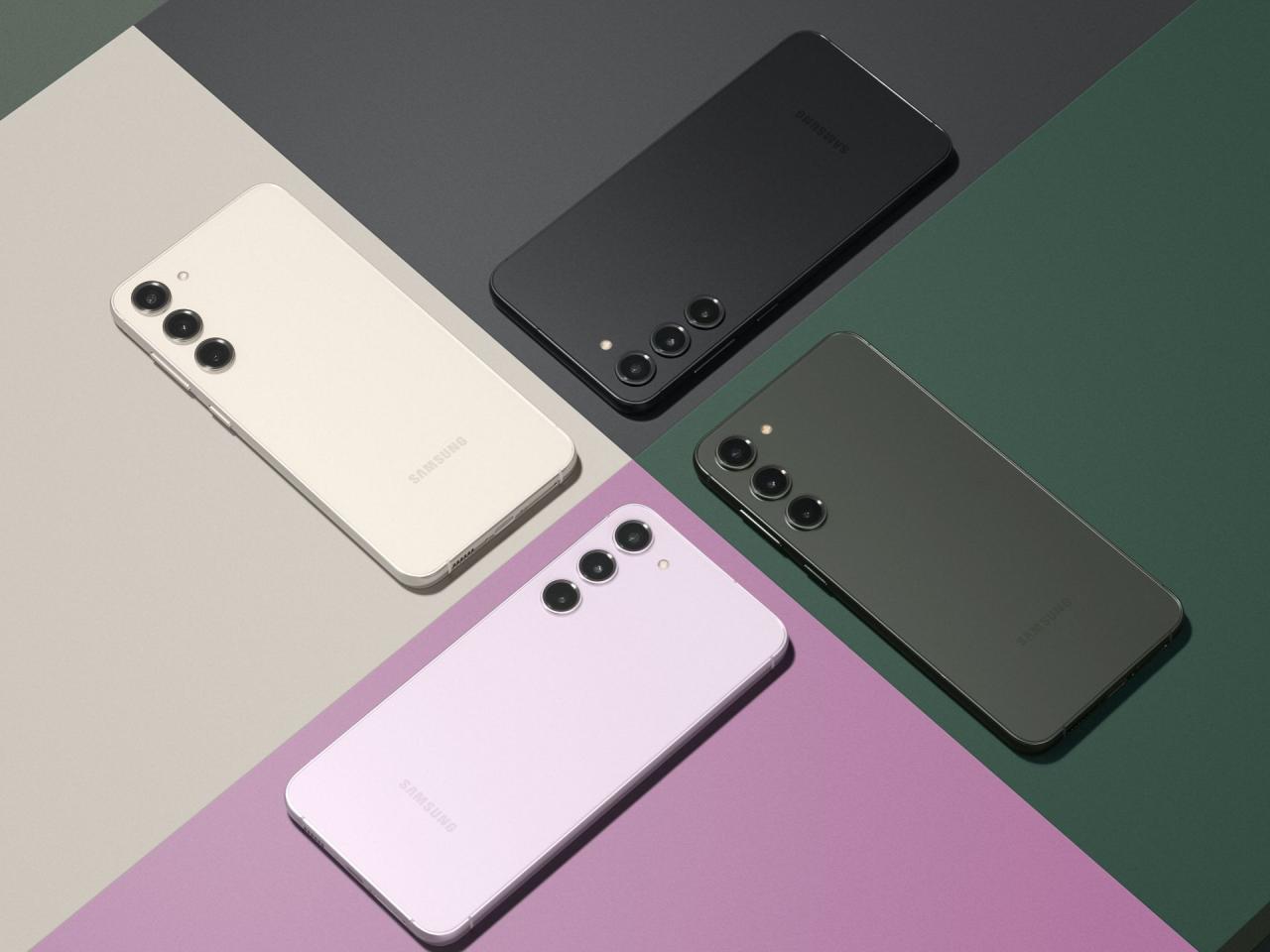
The Samsung Galaxy S II, released in 2011, quickly became a benchmark for smartphones with its cutting-edge technology and innovative features. This device not only dazzled users with its sleek design but also delivered outstanding performance that set it apart from its competitors during its time.
One of the key specifications of the Samsung Galaxy S II is its impressive 4.3-inch Super AMOLED Plus display, which offers a vibrant and sharp viewing experience, ideal for streaming videos and playing games. The camera quality is another highlight, featuring an 8-megapixel rear camera capable of capturing high-definition images and a 2-megapixel front-facing camera for video calls. The device is powered by a dual-core 1.2 GHz processor, which significantly enhances multitasking capabilities and overall performance.
Key Specifications
The Samsung Galaxy S II’s specifications serve as a testament to its robust build and performance. Below are the critical specifications that define this iconic smartphone:
- Display: 4.3-inch Super AMOLED Plus, 800 x 480 pixels resolution
- Processor: 1.2 GHz dual-core ARM Cortex-A9
- RAM: 1 GB RAM
- Storage: 16/32 GB internal storage, expandable via microSD card
- Camera: 8 MP rear camera with LED flash, 2 MP front camera
- Operating System: Android 2.3 (Gingerbread), upgradable to Android 4.1 (Jelly Bean)
- Battery: 1650 mAh removable battery
Unique Features
What sets the Samsung Galaxy S II apart from its contemporaries is an array of innovative features that cater to user needs and preferences. Its lightweight design, coupled with a slim profile, made it a portable device that was easy to handle.
The phone also introduced the concept of “Smart Stay,” which uses the front camera to detect whether the user is looking at the screen, preventing it from dimming. Another noteworthy feature is the “Motion UI,” which allows users to control the phone through various gestures, such as shaking to refresh or tilting to zoom.
Software and Operating System
The Samsung Galaxy S II originally shipped with Android 2.3 Gingerbread, a version recognized for its user-friendly interface and improved performance. It allowed for seamless multitasking and offered a variety of customization options, enhancing the overall user experience.
With the ability to upgrade to Android 4.1 Jelly Bean, users gained access to features such as Google Now and Project Butter, which significantly improved the device’s performance and responsiveness. The TouchWiz user interface offered by Samsung provided additional features and customizations, making the device not only functional but also enjoyable to use.
This combination of cutting-edge hardware and versatile software made the Samsung Galaxy S II a standout smartphone that paved the way for future innovations in the mobile industry.
User Experience and Performance
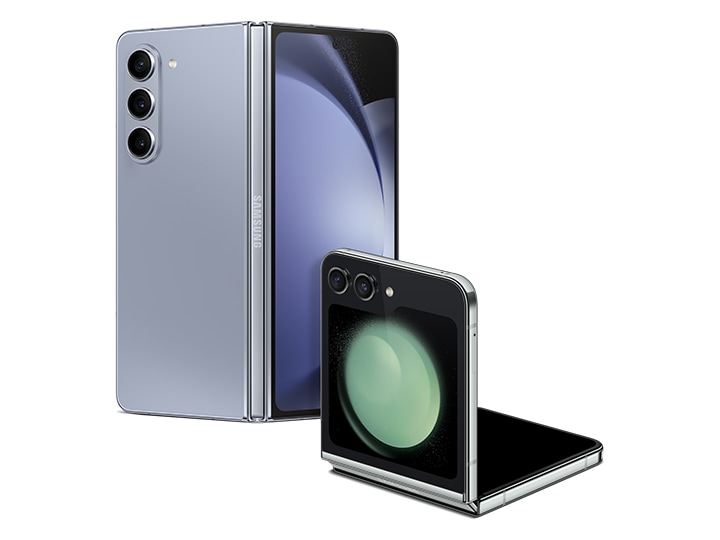
The Samsung Galaxy S II was celebrated for its user-friendly interface and solid performance during its launch period, making it a popular choice among smartphone users. Its design and functionality aimed to enhance the overall experience, ensuring that users could navigate easily and efficiently while accessing various features without hassle.
The performance of the Galaxy S II excelled in several aspects, especially in terms of multitasking capabilities and battery life. Equipped with a dual-core processor and ample RAM, it allowed users to switch between applications seamlessly. The device also offered impressive battery longevity, which was a significant advantage for users who relied heavily on their smartphones throughout the day.
Usability and Functionality, Samsung galaxy s ii
The Galaxy S II was designed with the end-user in mind, featuring a vibrant Super AMOLED display that provided excellent color reproduction and visibility, even in bright sunlight. The TouchWiz interface added a layer of customization, allowing users to personalize their experience through widgets and themes. This approach to usability was geared towards making everyday tasks easier and more convenient.
– The phone’s touch responsiveness was highly rated, contributing to an intuitive user experience.
– Integration with Google services provided users with essential tools like Google Maps, Gmail, and Google Drive, enhancing productivity on the go.
– The availability of a wide array of applications in the Android Market allowed users to tailor their devices to their specific needs, from gaming to productivity.
In comparison to other smartphones released around the same time, such as the HTC Sensation and the Motorola Atrix, the Galaxy S II stood out due to its superior screen quality and overall performance. Many users found that its faster processor and efficient memory management made it more adept at handling multiple tasks simultaneously without lag.
Battery Life and Multitasking
Battery life was a crucial factor for smartphone users, and the Galaxy S II generally performed well in this area. Equipped with a 1650 mAh battery, it offered a full day of usage on moderate to heavy use, which was competitive for its time.
– Users reported that the phone could handle extended hours of web browsing, video playback, and gaming without requiring frequent recharges.
– The multitasking capabilities were enhanced by the device’s ability to run several applications in the background, allowing for quick access to recently used apps without the need for reloading.
The effective performance of the Galaxy S II in multitasking and battery management drew a favorable comparison to contemporaries. For instance, while the HTC Sensation had a similar battery capacity, users often noted that the Galaxy S II offered more extended use due to its optimized power consumption.
The standout features of the Galaxy S II not only catered to user comfort but also set a benchmark for upcoming smartphones in terms of performance and efficiency.
Overall, the Samsung Galaxy S II’s combination of usability, functionality, and performance made it a notable device in the competitive smartphone landscape of its time, earning it a loyal user base and leaving a lasting impact on subsequent models.
Design and Build Quality
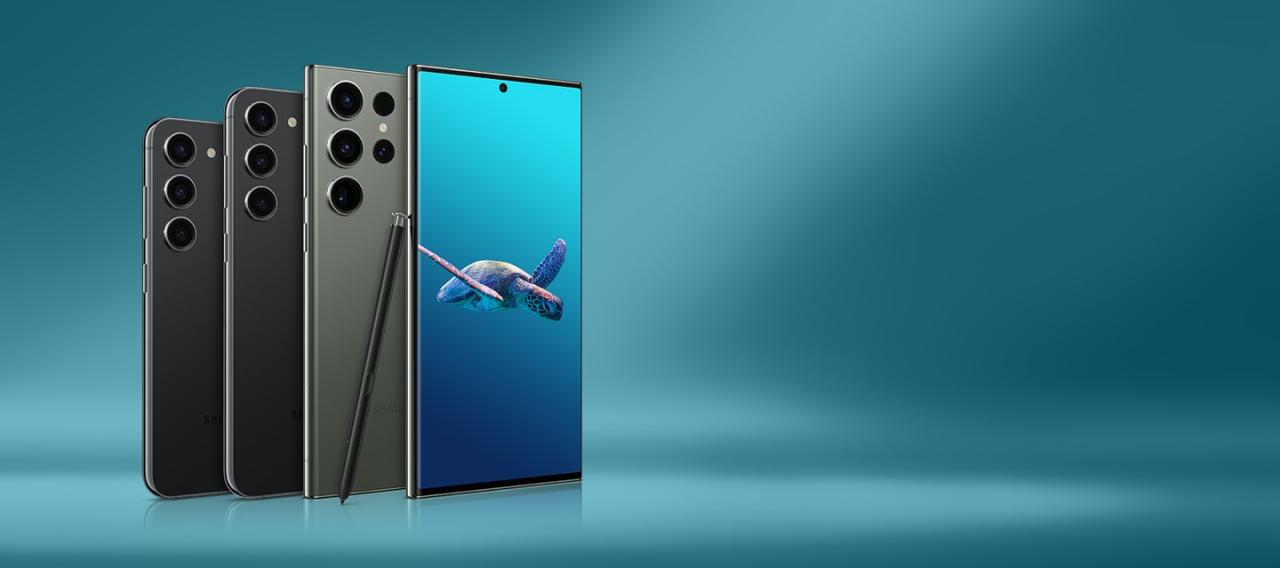
The Samsung Galaxy S II stands out in the smartphone market not just for its specifications but also for its remarkable design and build quality. Launched in 2011, it marked a significant evolution in Samsung’s approach to smartphone aesthetics and ergonomics, making it a notable predecessor to many of its successors.
The design of the Samsung Galaxy S II features a sleek and minimalist aesthetic, characterized by its slim profile and lightweight construction. The device employs a combination of plastic and glass, utilizing a Gorilla Glass front for enhanced durability and scratch resistance. The back is made of a plastic material that is slightly textured, which provides a good grip and reduces the likelihood of accidental slips. The overall dimensions are compact, measuring 125.3 x 66.1 x 8.5 mm, and weighing only 116 grams, making it comfortable to hold and operate with one hand.
Ergonomic Features and Build Quality
The ergonomic design of the Samsung Galaxy S II is one of its key highlights. The rounded edges and lightweight build contribute to a comfortable hand feel, allowing users to navigate the device easily. The placement of buttons is intuitive, with the volume rocker on the left side and the power button located on the right side for quick access. This thoughtful positioning minimizes strain during extended use.
In terms of build quality, the Galaxy S II has shown commendable durability in everyday scenarios. Users have reported that the device withstands various daily challenges, such as minor drops and impacts, without significant damage. The Gorilla Glass not only protects the display from scratches but also adds an additional layer of assurance against breakage.
To illustrate the build quality and design durability, consider the following points:
- The Galaxy S II is known to endure regular use without substantial wear and tear, a testament to its robust manufacturing standards.
- Many users have shared experiences of the device surviving falls from waist height, further emphasizing its resilience.
- The lightweight nature of the device allows for easy portability without compromising on structural integrity.
Comparison with Successors
When comparing the design aesthetics of the Samsung Galaxy S II with its successors, such as the Galaxy S III and Galaxy S IV, several notable changes emerge. While the S II featured a plastic back, its successors moved towards a more premium feel with glass and metal materials, reflecting a shift in consumer preferences towards high-end finishes. Additionally, the size of the screen increased over time, with the S II retaining a 4.3-inch display, while later models introduced larger displays, enhancing the media consumption experience.
The evolution in design can be summarized as follows:
| Model | Screen Size | Material | Weight |
|---|---|---|---|
| Galaxy S II | 4.3 inches | Plastic & Glass | 116 grams |
| Galaxy S III | 4.8 inches | Plastic & Glass | 133 grams |
| Galaxy S IV | 5.0 inches | Glass & Metal | 130 grams |
“The Galaxy S II was a pivotal device that balanced design, usability, and build quality, setting the stage for subsequent models to follow.”
Market Impact and Legacy: Samsung Galaxy S Ii
The Samsung Galaxy S II, launched in 2011, marked a pivotal moment in the smartphone landscape, setting a high bar for performance, design, and user experience. It not only solidified Samsung’s presence in the competitive smartphone market but also catalyzed a series of innovations that would influence future devices across various brands. The impact of the Galaxy S II extended beyond its immediate sales figures, shaping consumer expectations and industry standards for years to come.
The popularity of the Samsung Galaxy S II can be attributed to several key factors that resonated with consumers during its release. Its powerful hardware specifications, including a dual-core processor and vibrant Super AMOLED Plus display, delivered exceptional performance that surpassed many of its contemporaries. Additionally, the device offered a user-friendly interface with customizable features, which appealed to a broad audience. The marketing strategy employed by Samsung, showcasing the phone’s capabilities and design, further amplified its desirability among consumers.
Factors Contributing to Popularity
The success of the Galaxy S II can be understood through a combination of technological advancements, marketing strategies, and consumer preferences. The following points highlight the essential factors that contributed to its widespread appeal:
- Performance: The Galaxy S II was equipped with a 1.2 GHz dual-core processor and 1 GB of RAM, providing fast and efficient multitasking capabilities.
- Display Quality: Its 4.3-inch Super AMOLED Plus display offered vibrant colors and deep contrasts, making it a favorite for media consumption.
- Camera Features: With an 8-megapixel rear camera and a 2-megapixel front camera, it allowed users to capture high-quality images and videos.
- User Interface: Samsung’s TouchWiz interface added a layer of customization, enhancing user engagement and satisfaction.
- Marketing and Brand Trust: Samsung’s aggressive marketing campaign and established brand reputation created significant buzz and excitement around the device.
Evolution of the Samsung Galaxy Series
The Galaxy S II served as a foundation for subsequent models, leading to a series of innovations and improvements in design, performance, and software capabilities. Below is a timeline detailing the evolution of the Galaxy S series from the S II to later models:
| Model | Release Year | Key Features |
|---|---|---|
| Galaxy S II | 2011 | 4.3″ Super AMOLED Plus, Dual-core 1.2 GHz, 8 MP camera |
| Galaxy S III | 2012 | 4.8″ HD Super AMOLED, Quad-core 1.4 GHz, Smart Stay |
| Galaxy S4 | 2013 | 5″ Full HD Super AMOLED, Octa-core processor, Air Gesture |
| Galaxy S5 | 2014 | 5.1″ Full HD, IP67 Water and Dust Resistance, Fingerprint Scanner |
| Galaxy S6 | 2015 | 5.1″ Quad HD Super AMOLED, Glass and Metal design, Fast Charging |
| Galaxy S7 | 2016 | 5.1″ Quad HD, Improved Camera, Water Resistant |
| Galaxy S8 | 2017 | 5.8″ Infinity Display, Bixby Assistant, Dual Pixel Camera |
| Galaxy S9 | 2018 | 5.8″ Infinity Display, Variable Aperture Camera, Stereo Speakers |
| Galaxy S10 | 2019 | 6.1″ Dynamic AMOLED, Triple Camera System, Wireless PowerShare |
| Galaxy S20 | 2020 | 6.2″ Dynamic AMOLED 2X, 120 Hz Refresh Rate, 5G Compatibility |
The evolution of the Galaxy S series illustrates Samsung’s commitment to innovation, reflecting changes in consumer demands and technological advancements. The Galaxy S II was not merely a predecessor; it laid the groundwork for future models that would continue to push the boundaries of smartphone technology.
Frequently Asked Questions
What is the screen size of the Samsung Galaxy S II?
The Samsung Galaxy S II features a 4.3-inch Super AMOLED Plus display.
Does the Samsung Galaxy S II support 4G connectivity?
No, the Samsung Galaxy S II primarily supports 3G connectivity.
What operating system does the Samsung Galaxy S II run?
The device originally shipped with Android 2.3 Gingerbread, which can be upgraded to later versions.
Is the battery removable in the Samsung Galaxy S II?
Yes, the Samsung Galaxy S II has a removable battery, allowing for easy replacement.
How does the camera performance compare to modern smartphones?
While the Galaxy S II’s 8MP camera was impressive for its time, modern smartphones offer significantly enhanced camera technology and features.
The Samsung Note7 was a groundbreaking device that generated significant buzz in the tech world. Despite its eventual controversies, it showcased innovative features that many users loved. The discussion around its performance continues to intrigue tech enthusiasts, reflecting how deeply it impacted the smartphone market during its release.
With new models emerging, the latest promotion for iPhone offers great opportunities for buyers to get their hands on the newest technology. These promotions make high-end smartphones more accessible while attracting both loyal customers and new users. It’s an exciting time for anyone looking to upgrade their device.